
New York Guardianship Information

How to Enforce a Contract in New York Quickly

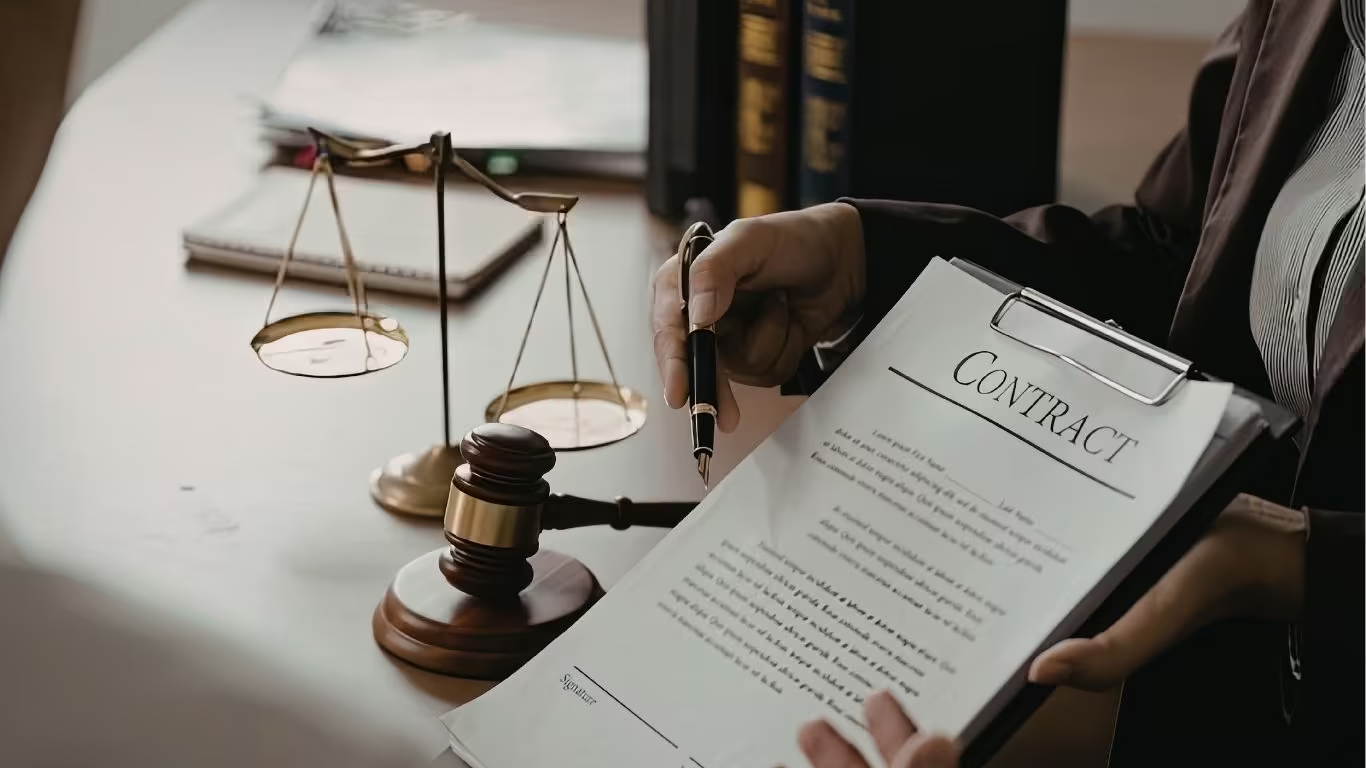
How to Enforce a Contract in New York Quickly If you need to enforce a contract in New York quickly, the most effective approach is to act early, document the breach, and work with a New York attorney who can take immediate legal action. Whether you’re dealing with unpaid obligations, failed agreements, or business disputes, experienced legal counsel NYC can help you enforce your rights efficiently while minimizing risk and delay. What Does It Mean to Enforce a Contract? Enforcing a contract means taking legal steps to ensure all parties fulfill their obligations under a valid agreement. This may involve: Demanding performance Seeking financial compensation (damages) Terminating the contract Filing a lawsuit if necessary A litigation attorney NYC evaluates your contract, identifies breaches, and determines the fastest and most effective enforcement strategy. Why Speed Matters in Contract Enforcement Delays in enforcing a contract can weaken your position and increase losses. Key risks include: Loss of evidence Financial damage increasing over time Reduced negotiation leverage Missed legal deadlines In New York’s fast-paced business environment, taking immediate action with a business lawyer NYC helps preserve your rights and strengthen your case. Common Situations Where Contracts Need Enforcement Business Agreements Clients failing to pay Vendors not delivering goods or services Partnership disagreements Real Estate Contracts Breach of lease agreements Property transaction disputes Development or construction issues Personal Agreements Loan repayment failures Service contract disputes Settlement violations Estate & Probate Agreements Disputes over wills or trusts Executor or trustee conflicts Key Legal Considerations 1. Valid Contract You must prove a legally binding agreement exists. 2. Clear Breach The other party must have failed to meet their obligations. 3. Evidence & Documentation Contracts, communications, and financial records are critical. 4. Available Remedies Options include damages, specific performance, or termination. 5. Legal Deadlines New York law sets time limits for enforcing contract claims. How The Wagner Firm Enforces Contracts Strategically The Wagner Firm approaches contract enforcement with a strategic, results-driven mindset. Immediate Case Assessment The firm evaluates: Strength of the contract Financial exposure Opposing party risks Fast, Strategic Action Clients benefit from: Prompt legal notices b negotiation positioning Efficient escalation when necessary Litigation-Ready Approach If enforcement requires court action, the firm provides: Aggressive advocacy Clear legal strategy Efficient litigation execution Integrated Litigation Services Wagner Firm – Civil Litigation When to Speak With a Lawyer You should contact a New York attorney immediately if: A contract has been breached Payments or obligations are overdue Negotiations are failing Financial losses are increasing The earlier you act, the ber your position will be. Why Choosing the Right NYC Law Firm Matters Contract enforcement is not just about legal action—it’s about strategy. The right NYC law firm provides: Strategic Legal Thinking Focused on achieving efficient, favorable outcomes. Cross-Practice Expertise Handling business, real estate, and estate-related contracts. Efficient Execution Minimizing delays and unnecessary costs. b Advocacy Prepared to enforce your rights in negotiations or court. Conclusion: Act Quickly and Protect Your Rights Enforcing a contract in New York requires speed, strategy, and the right legal guidance. By acting early, you can: Protect your financial interests Strengthen your legal position Avoid prolonged disputes Working with experienced legal counsel NYC ensures your case is handled efficiently and effectively. Schedule a consultation:https://wagnerfirm.nyc/contact/ 1. How do I enforce a contract in NYC?  You can demand performance, seek damages, or file a lawsuit depending on the breach. 2. How long do I have to enforce a contract in New York?  It depends on the contract type, but legal deadlines apply, acting early is critical. 3. Do I need a lawyer to enforce a contract? Yes, a lawyer helps you act quickly, protect your rights, and maximize recovery.

Litigation vs Settlement: Which Is Better for Your Case?

Litigation vs Settlement: Which Is Better for Your Case? If you’re facing a legal dispute in New York, one of the most important decisions is whether to pursue litigation or settle the case. The right New York attorney can help you evaluate both options strategically—balancing risk, cost, and long-term outcomes. Whether you are a business owner or an individual, working with experienced legal counsel NYC ensures you choose the path that best protects your interests. What Is Litigation vs Settlement? Litigation Litigation is the process of resolving disputes through the court system. It involves: Filing lawsuits Presenting evidence Court hearings or trials A judge or jury decision A litigation attorney NYC represents your interests throughout this process. Settlement A settlement is an agreement reached between parties without going to trial. It can occur: Before a lawsuit is filed During litigation Even shortly before trial Settlement is a form of legal dispute resolution that avoids court proceedings. Why This Decision Matters Choosing between litigation and settlement has significant consequences: Financial impact – Legal fees and potential damages Time commitment – Litigation can take months or years Control over outcome – Settlements offer more predictability Reputation risk – Public court cases vs private agreements A strategic NYC law firm helps you weigh these factors carefully. Common Situations Where This Decision Arises Business Disputes Contract breaches Partnership conflicts Commercial disagreements Real Estate Conflicts Lease disputes Property ownership issues Development disagreements Personal Legal Matters Financial disputes Liability claims Settlement negotiations Estate & Probate Issues Will contests Trust disputes Beneficiary conflicts Key Legal Considerations 1. Strength of Your Case A b case may justify litigation, while weaker claims may favor settlement. 2. Cost vs Benefit Litigation can be expensive—settlement may reduce costs. 3. Time Sensitivity If you need a quick resolution, settlement is often faster. 4. Risk Tolerance Litigation outcomes are uncertain, while settlements offer predictability. 5. Long-Term Impact The decision affects your financial position and future legal exposure. How The Wagner Firm Approaches This Decision The Wagner Firm provides strategic legal guidance—not just reactive advice. Strategic Analysis Each case is evaluated based on: Legal strength Financial exposure Business implications Risk Mitigation The firm prioritizes: Minimizing losses Avoiding unnecessary litigation Protecting long-term interests Litigation Readiness When litigation is necessary, the firm delivers: b advocacy Clear legal positioning Efficient execution Integrated Litigation Services Wagner Firm -Trial When to Speak With a Lawyer You should consult a New York attorney if: You are involved in a legal dispute Settlement discussions are ongoing You are considering filing a lawsuit You need to evaluate risks and outcomes Early guidance helps you make better strategic decisions. Why Choosing the Right NYC Law Firm Matters The decision between litigation and settlement is not just legal—it’s strategic. The right NYC law firm offers: Strategic Thinking Focused on long-term outcomes, not just immediate resolution. Cross-Disciplinary Expertise Handling business, real estate, and estate-related disputes. Efficient Execution Reducing unnecessary delays and costs. Strong Advocacy Prepared to represent you effectively in negotiations or court. Conclusion: Choose Strategy Over Reaction There is no one-size-fits-all answer to litigation vs settlement. The best decision depends on your specific situation, risks, and goals. Act early to: Understand your legal position Evaluate your options Protect your financial and personal interests Working with experienced legal counsel NYC ensures you approach your case with clarity and confidence.  Schedule a consultation:Wagner Firm – Contact 1. Is settlement better than litigation? It depends, settlement is faster and more predictable, while litigation may offer ber legal outcomes. 2. When should I choose litigation? When the case is b, stakes are high, or settlement is not possible. 3. Can a case settle after litigation begins? Yes, many cases settle during the litigation process.

How to Handle a Breach of Contract in NYC

How to Handle a Breach of Contract in NYC If you’re dealing with a breach of contract in New York, you need to act quickly to protect your legal and financial position. Whether you are a business owner or an individual, a New York attorney can help you assess the situation, enforce your rights, and prevent further damage. Working with experienced legal counsel NYC ensures you respond strategically—not reactively—especially in high-stakes disputes. What Is a Breach of Contract? A breach of contract occurs when one party fails to fulfill their obligations under a legally binding agreement. This may include: Failure to deliver goods or services Missed payments Violating contract terms Delayed or incomplete performance A business lawyer NYC or litigation attorney NYC can determine whether a breach has occurred and what legal remedies are available. Why This Matters: Legal and Financial Impact A breach of contract is not just a minor issue—it can have serious consequences: Financial losses Disrupted business operations Legal disputes or lawsuits Damaged relationships In a competitive market like NYC, unresolved contract issues can escalate quickly. Strategic legal dispute resolution helps limit exposure and protect long-term interests. Common Situations Where Contract Breaches Occur Business Disputes Vendor or supplier failures Partnership disagreements Service delivery issues Real Estate Conflicts Lease violations Property transaction disputes Construction contract breaches Personal Agreements Loan repayment issues Independent contractor disputes Settlement agreement violations Estate & Probate Issues Trustee or executor disputes Mismanagement of assets Beneficiary conflicts Key Legal Considerations 1. Establishing the Contract You must prove a valid and enforceable agreement exists. 2. Determining the Type of Breach Material breaches carry more serious consequences than minor ones. 3. Calculating Damages You must show financial harm caused by the breach. 4. Exploring Resolution Options Not all disputes require court—negotiation or settlement may resolve the issue faster. 5. Timing Matters New York has strict deadlines for filing contract claims. How The Wagner Firm Approaches Contract Disputes The Wagner Firm approaches breach of contract cases with a strategic, high-level perspective. Strategic Case Analysis Every case begins with evaluating: Legal strength Risk exposure Financial impact Risk Mitigation First The firm focuses on: Minimizing losses Preventing escalation Preserving key relationships when possible Litigation-Ready Execution If needed, the firm provides strong courtroom representation backed by deep litigation experience. Integrated Legal Services For litigation-related matters:Wagner Firm-Civil Litigation When to Speak With a Lawyer You should consult a New York attorney immediately if: A contract has been breached You receive a legal notice or demand Negotiations are failing Financial risk is increasing Early action improves your chances of a favorable outcome. Why Choosing the Right NYC Law Firm Matters Handling a breach of contract requires more than basic legal knowledge. The right NYC law firm offers: Strategic Thinking Focused on long-term protection, not just immediate resolution. Cross-Practice Expertise Business, litigation, real estate, and estate law combined. Efficient Legal Execution Saving time and cost while protecting your interests. Strong Advocacy Prepared to defend your position in negotiations or court. Conclusion: Take Action Before the Situation Escalates A breach of contract in NYC is a critical moment that requires informed, strategic decisions. Acting early allows you to: Protect your financial interests Strengthen your legal position Avoid unnecessary escalation Working with experienced legal counsel NYC ensures clarity, control, and better outcomes. Schedule a consultation:Wagner Firm-Contact 1. When should I hire a lawyer for a contract dispute in NYC? As soon as a breach occurs or is suspected to protect your legal position. 2. What can I recover in a breach of contract case? You may recover financial damages or enforce the contract depending on the situation. 3. Do contract disputes always go to court? No, many are resolved through negotiation or settlement.

What to Do If You’re Being Sued in New York

What to Do If You’re Being Sued in New York Being sued in New York is serious—and acting quickly can significantly affect the outcome. If you’ve been served with a lawsuit, the first step is to understand your legal obligations, preserve your rights, and consult a New York attorney who can guide your response strategically. Whether the dispute involves business, real estate, or personal matters, early action with the right legal counsel NYC helps you avoid costly mistakes and build a strong defense. What It Means to Be Sued in New York When you are sued, you receive legal documents—typically a summons and complaint—notifying you that someone has filed a claim against you in court. This means: You are now a defendant in a legal case There are strict deadlines to respond (often 20–30 days) Failure to respond can result in a default judgment against you A litigation attorney NYC helps interpret the claims, assess risk, and determine the best course of action immediately. Why This Matters: Legal and Financial Risks Ignoring a lawsuit or delaying your response can lead to serious consequences: Default judgment (automatic loss of the case) Wage garnishment or asset seizure Damage to your business or personal reputation Long-term financial liability For business owners, disputes can disrupt operations, partnerships, and contracts. A proactive business lawyer NYC helps protect both immediate and long-term interests. Common Situations That Lead to Lawsuits Lawsuits in New York arise in many contexts. Some of the most common include: Business Disputes Breach of contract Partnership disagreements Vendor or client conflicts Real Estate Conflicts Lease disputes Property ownership disagreements Construction or development issues Personal & Financial Disputes Debt claims Personal injury claims Consumer-related issues Estate & Family Matters Probate disputes Will contests Fiduciary conflicts Key Legal Considerations You Need to Know 1. Deadlines Are Critical Missing your response deadline can result in losing automatically. 2. Your Response Strategy Matters Options may include: Filing an answer Motion to dismiss Negotiation or settlement 3. Evidence Must Be Preserved Emails, contracts, and communications can determine the outcome. 4. Not All Lawsuits Go to Trial Many disputes are resolved through negotiation—but only with strong positioning. This is where strategic legal dispute resolution becomes essential. How The Wagner Firm Approaches Lawsuits At The Wagner Firm, the approach is not just reactive—it’s strategic. Strategic Case Analysis Every case begins with a deep evaluation of: Legal exposure Financial risk Opponent strategy Risk Mitigation First The goal is to: Minimize liability Avoid unnecessary litigation costs Protect long-term interests Litigation Readiness If court becomes necessary, the firm brings: Strong trial advocacy Clear positioning Efficient execution Ongoing Advisory Clients receive continuous guidance not just case handling  Wagner Firm – Genaral Counsel This ensures decisions are aligned with broader personal or business goals. When to Speak With a Lawyer You should contact a New York attorney immediately if: You’ve been served legal papers You receive a demand letter A dispute is escalating You’re unsure how to respond Waiting too long limits your options and weakens your position. Why Choosing the Right NYC Law Firm Matters Not all firms approach legal disputes the same way. The right NYC law firm will provide: Strategic Thinking Not just “handling the case,” but planning outcomes. Clear Communication You understand your options at every stage. Experience Across Disciplines From litigation to real estate to estate planning. Focus on Results Efficient, outcome-driven legal execution. This is especially important for high-stakes or complex matters. Conclusion: Act Early, Protect Your Position If you’re being sued in New York, the worst thing you can do is wait. The best step you can take is to: Understand your legal position Act within deadlines Work with experienced legal counsel A strategic litigation attorney NYC can help you not only defend the case—but protect your broader financial and personal interests. Schedule a consultation today:Wagner Firm Contact 1. When should I hire a lawyer in NYC?  Immediately after being served or when a dispute escalates—early action protects your rights. 2. What does a litigation attorney do? They analyze your case, build a defense strategy, negotiate settlements, and represent you in court. 3. How much does a lawyer cost in New York? Costs vary based on complexity, but strategic legal counsel often prevents larger financial losses.

When to Hire a Litigation Attorney: Protecting Your Interests at the Right Time

When to Hire a Litigation Attorney: Protecting Your Interests at the Right Time Learn when to hire a litigation attorney, the warning signs to watch for, and how early legal counsel can protect your interests in complex disputes. Introduction Legal disputes rarely begin in a courtroom. They often start as disagreements, misunderstandings, or unresolved obligations that escalate over time. Knowing when to hire a litigation attorney can be the difference between a controlled resolution and a costly legal battle. Whether you’re dealing with a business conflict, contract issue, or potential lawsuit, timing matters more than most people realize. You should hire a litigation attorney as soon as a dispute becomes serious, involves legal risk, or shows signs of escalating into a lawsuit, to protect your rights and avoid costly mistakes. What Does a Litigation Attorney Do? A litigation attorney represents clients in legal disputes before, during, and after court proceedings. Their role includes: Evaluating the strength of your case Managing filings and legal strategy Negotiating settlements Representing you in court if necessary In jurisdictions like New York, litigation matters are handled through courts such as the New York State Unified Court System, where procedural precision and timing are critical. Key Signs You Should Hire a Litigation Attorney 1. You’ve Been Threatened with a Lawsuit If someone has formally or informally threatened legal action, it’s time to involve counsel. Even a demand letter can signal serious intent. Early legal guidance helps: Prevent escalation Protect your position Avoid statements or actions that could harm your case 2. A Contract or Business Dispute Is Escalating Disputes involving contracts, partnerships, or financial obligations often become complex quickly. A litigation attorney can: Interpret legal obligations Identify risks Strategize resolution before litigation becomes unavoidable 3. You’re Facing Significant Financial Exposure If a dispute could result in: Large financial losses Asset seizure Business disruption You should not wait. Early intervention often reduces long-term costs. 4. Negotiations Have Broken Down When discussions stall or become hostile, legal counsel can step in to: Reframe negotiations Introduce structured settlement strategies Prepare for litigation if necessary 5. You’ve Received Legal Documents Receiving a summons, complaint, or court notice requires immediate attention. Missing deadlines can result in default judgments. A litigation attorney ensures: Timely responses Proper filings Strategic defense planning Why Timing Matters in Litigation Waiting too long to hire an attorney can lead to: Lost evidence Missed legal deadlines Weakened negotiating power On the other hand, acting early allows for: Better case preparation Stronger legal positioning Increased chances of resolution without trial The Cost of Waiting Too Long Many individuals and businesses delay hiring a litigation attorney to “save costs.” In reality, delays often: Increase legal complexity Lead to higher expenses later Reduce available legal options Insight: Early legal strategy is often more cost-effective than reactive defense. How The Wagner Firm Approaches Litigation At The Wagner Firm, litigation is approached with a focus on strategy, precision, and results. The firm works with clients to: Assess disputes early and realistically Develop clear legal strategies aligned with business or personal goals Navigate complex litigation within the New York State Unified Court System Pursue efficient resolutions wherever possible Rather than treating litigation as a last resort, the firm emphasizes proactive legal positioning to protect client interests from the outset. Common Types of Cases That Require a Litigation Attorney You may need a litigation attorney for: Business and commercial disputes Contract breaches Real estate conflicts Partnership disagreements Professional liability matters Each case type carries unique risks, making experienced legal guidance essential. Litigation vs. Settlement: What to Expect Not all disputes end in court. In fact, many are resolved through: Negotiation Mediation Strategic settlement discussions A skilled litigation attorney helps determine: Whether to settle or proceed to trial The best timing for negotiations The value of your claim or defense Key Takeaways Hiring a litigation attorney early can prevent costly mistakes Legal disputes often escalate faster than expected Timing directly impacts outcomes and costs Strategic legal counsel strengthens your position Firms like The Wagner Firm focus on proactive, results-driven litigation strategies Frequently Asked Questions (FAQs) When is the best time to hire a litigation attorney? As soon as a dispute involves legal risk, financial exposure, or potential litigation. Can a litigation attorney help avoid court? Yes. Many disputes are resolved through negotiation or settlement with the help of legal counsel. What happens if I wait too long to hire an attorney? You may miss deadlines, weaken your case, or face higher legal costs. Do all disputes go to trial? No. Most disputes are resolved before reaching trial through strategic negotiation. Is hiring a litigation attorney expensive? Costs vary, but early legal involvement often reduces overall expenses by preventing escalation. Conclusion Understanding when to hire a litigation attorney is not just about reacting to a lawsuit, it’s about protecting your position before problems escalate. Legal disputes can evolve quickly, and the decisions made early often shape the final outcome. Working with an experienced firm like The Wagner Firm ensures that you are not navigating these challenges alone, but with a clear, strategic path forward.